Home · Services · Repiping & Pipe Replacement
Repiping & Pipe Replacement in Longmont, CO
Quick answer
Partial and whole house repiping for lines at end of life: corroded galvanized, failing polybutylene era pipe, and copper with recurring pinholes.
Repiping in Longmont is the pre-war core's honest conversation: houses whose supply systems are layered repairs over original pipe reach the point where the third pinhole costs more in damage than the repipe costs in money. The scope prices the whole system against the recent repair history, names the material, and sequences the work so the house is never without water overnight. In the subdivisions, repiping is rarer and usually partial, one failed run replaced, and the honest scope says which case yours is, with the repair history as the evidence.
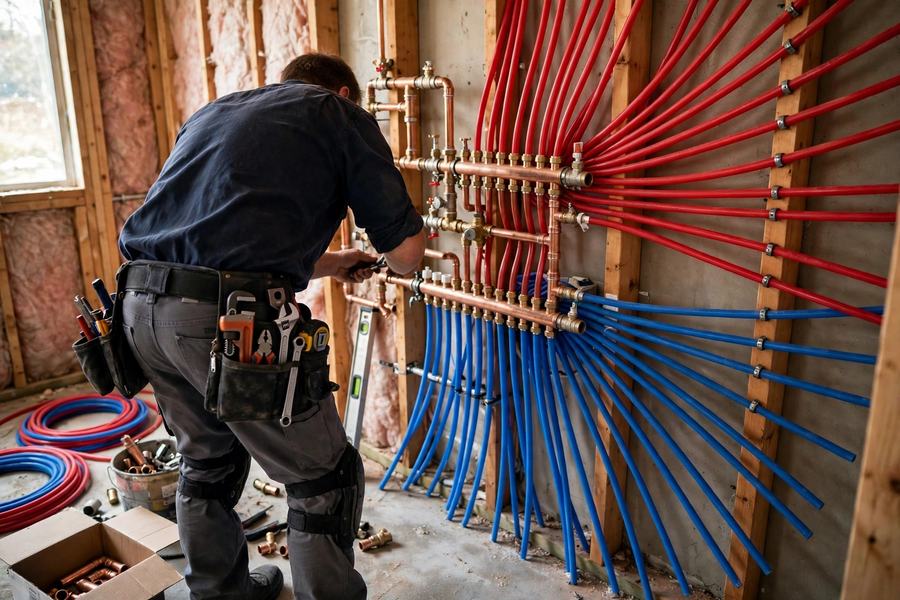
Signs you need repiping & pipe replacement
- Pinhole leaks that keep appearing in different places
- Low or uneven pressure, worst at upper fixtures
- Rusty or discolored water after the house sits
- Visible corrosion, green staining, or patched sections along a run
- A home inspection that named the pipe material as the finding
What the job involves
What affects the price
- How much of the system is in scope (one run, one floor, whole house)
- Access: open basements and crawl spaces price far below finished ceilings
- New material chosen and fixture count
- Patching and finish work, which is a separate trade and priced as one
When it is an emergency
Repiping is planned work with one emergency cousin: a pinhole that becomes a spray. Recurring pinholes are the line asking to be replaced in sections on your schedule; waiting converts planned sections into emergency openings, one wet wall at a time.
PLACEHOLDERRepiping & Pipe Replacement across the Longmont area
Related services
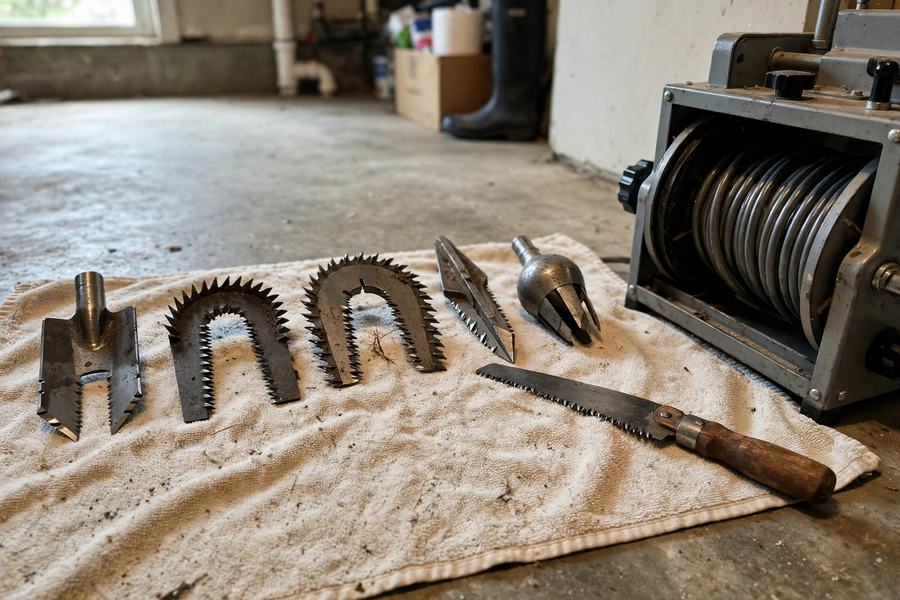
Drain Cleaning
Clearing slow and stopped drains, from a single fixture to the main line, with the cause identified so a repeat clog gets a real answer.
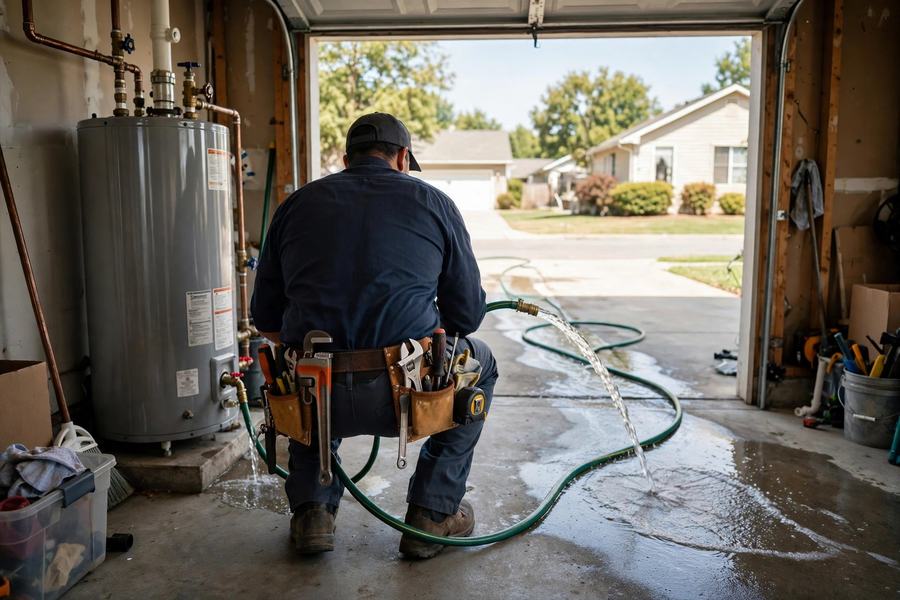
Emergency Plumbing
Same day and after hours plumbing for the failures that cannot wait: burst lines, active leaks, sewage at a fixture, and water with nowhere to go.
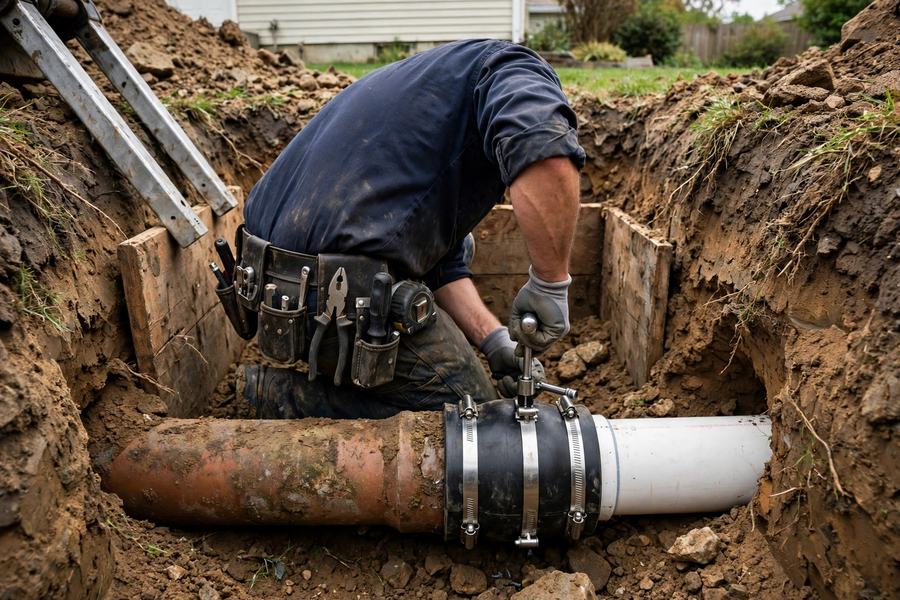
Sewer Line Repair & Camera Inspection
Camera inspection, repair, and replacement of the sewer lateral from the house to the street, the pipe every drain in the home depends on.
Water Heater Repair
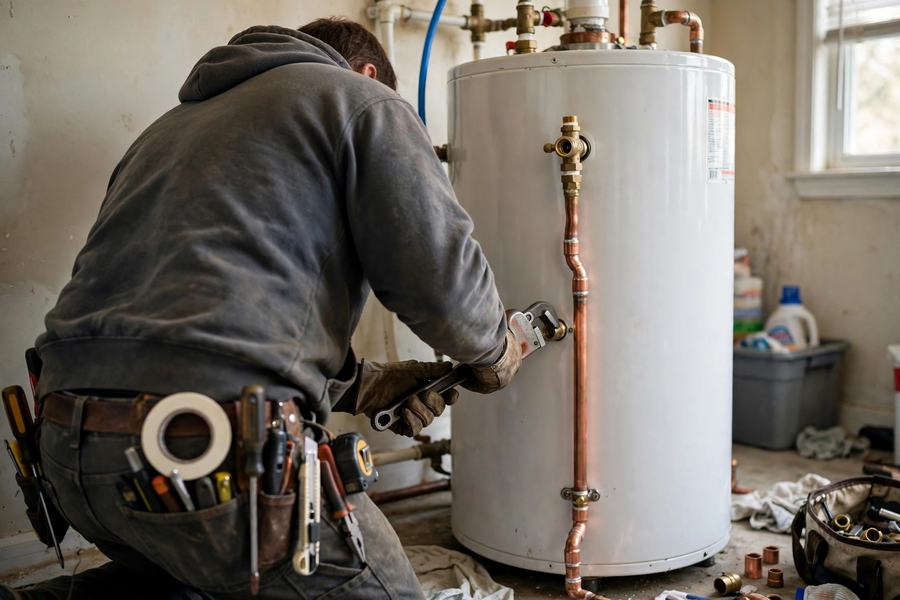
Diagnosis and repair of tank water heaters: no hot water, lukewarm water, popping and rumbling, pilot and burner faults, and leaking fittings.
Repiping & Pipe Replacement questions, answered
When is repiping & pipe replacement an emergency?
Repiping is planned work with one emergency cousin: a pinhole that becomes a spray. Recurring pinholes are the line asking to be replaced in sections on your schedule; waiting converts planned sections into emergency openings, one wet wall at a time.
What affects the price of repiping & pipe replacement in Longmont?
The main price factors for repiping & pipe replacement are covered in the cost section above. The contractor confirms the exact price in a written estimate after seeing the job, and nothing is owed until you approve it. The call and the referral are free.
A pipe burst in my Longmont home. What do I do first?
Close the main shutoff, which stops every repair clock in the house at once. If you do not know where it is, say so on the call and you will be walked to the usual locations. Then power off to wet rooms if water is near outlets, move what can be moved off wet floors, and photograph the scene before cleanup. Mop last. The photos and the timeline are what an insurer works from, and drying decisions in the first day decide how much flooring and wall can be saved.
Does homeowners insurance cover plumbing repairs in Longmont?
Usually the damage, not the pipe. A worn or corroded pipe is maintenance and its repair is the homeowner's cost everywhere. The sudden water damage a burst pipe causes (floors, walls, belongings) is commonly covered, subject to your deductible, which is why documenting the event promptly matters. Sewer backups are different again: they are commonly excluded from the base policy and covered only by a sewer backup endorsement, typically inexpensive relative to one backup. Ask your insurer about the endorsement before you need it, not after.
My drain keeps clogging. Is snaking it again worth it?
Once, a snake is a fix. Twice in a season, it is a symptom with a bill attached. Repeat clogs mean something structural: roots at a joint, scale narrowing the line, a belly holding water, or grease that a cable only pokes a hole through. The honest next step is a camera inspection at $125 to $500 in published guides, which converts guesses into footage. Chemical drain cleaners, meanwhile, mostly damage pipes and the person who later cables them; the trade's advice is to skip them.
Request a callback
Prefer to talk later? Leave your details and an independent local pro will call you back. No charge to you, no obligation.
St. Vrain Plumbing is a free referral service. Submitting this form connects you with independent local contractors who provide the work.